Spiders in Morehead City, NC: A Local Guide to What's Spinning Around Your Home
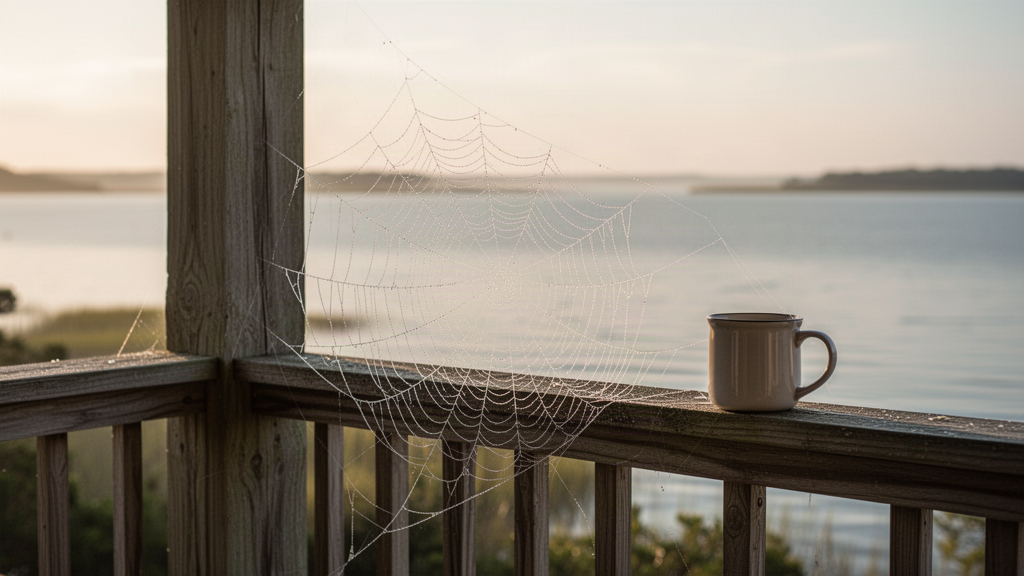
If you live in Morehead City, you already know the drill: you step onto the porch in the morning, coffee in hand, and walk face-first into a web that wasn't there last night. Between the salt air, warm weather and endless supply of bugs coming off Bogue Sound, the Crystal Coast is a great place to be a spider.
The good news is that most of the spiders you'll meet here are harmless, and many are helping you by eating mosquitoes, gnats and flies. The not-so-good news is that a couple of local species deserve real respect. Here's what to know.
Why Spiders Love the Crystal Coast
Spiders go where the food is, and coastal Carteret County serves up a buffet. Humid air and standing water produce mosquitoes and midges. Porch lights, dock lights and lit storefronts along the waterfront pull in moths and beetles every night. And our homes offer exactly the hiding places spiders want: crawl spaces, screened porches, boat sheds, under-deck storage and stacks of beach gear that sit untouched all winter.
Our mild winters help too. Spiders here don't face the long freezes that knock populations back in colder places, so they stay active for much of the year.
The Spiders You're Most Likely to See
The brown widow: the porch-railing regular
If there's one spider Morehead City homeowners should learn to recognize, it's the brown widow. Originally from Africa, it has become common across coastal North Carolina. It's tan to brown with an orange hourglass on its belly, and its egg sacs are distinctive, round and covered in little spikes, like tiny cream-colored sea mines. Look under deck railings, patio chairs, grills, mailboxes, kids' outdoor toys and boat trailers. Brown widows are shy and their venom is considered less potent than the black widow's, but a bite can still hurt and should be checked out.
The black widow: the crawl-space lurker
The classic shiny black spider with the red hourglass. Black widows like it dark and undisturbed, so they show up in crawl spaces, woodpiles, utility boxes, garages and the back corners of sheds. If you're reaching somewhere you can't see, wear gloves. A black widow bite needs prompt medical attention.
Wolf spiders: big, fast and mostly just startling
These are the large, hairy spiders that sprint across the floor in the fall and make everyone jump. They hunt on the ground instead of building webs and often wander in from lawns, dunes and garden beds. They look intimidating, but they aren't dangerous to people.
Banana spiders: the yard's late-summer showpiece
Golden silk orb-weavers, which most locals call banana spiders, build giant, golden-tinted webs between trees, shrubs and porch posts from late summer into fall. They're big and bold-looking, but harmless. The bigger issue is walking into a web the size of a bedsheet on the way to the car.
Southern house spiders and cobweb builders
Those messy webs in window corners, along the eaves and around shutters are often the work of southern house spiders and other cobweb spiders. Harmless, but they can make a house look unkempt fast, especially on rental properties along the coast.
What about brown recluses?
Brown recluses get a lot of attention online, but they're uncommon in eastern North Carolina and many "recluse" sightings turn out to be another brown spider. If you think you've found one, have it identified before you panic.
Why Fall Feels Like Spider Season
If it seems like spiders are everywhere right now, you're not imagining it. Many species reach full size in late summer and fall, so the spiders that were tiny in June are now big enough to notice. Male spiders also leave their webs to search for mates, which is why you'll find them wandering across floors and walls. As nights cool off, some head indoors looking for shelter.
Simple Ways to Make Your Home Less Spider-Friendly
- Change the lighting. Yellow "bug" bulbs on porches and docks attract fewer insects, which means fewer spiders setting up shop.
- Clear the clutter. Move firewood, lumber and stored beach gear away from the house and off the ground.
- Trim it back. Keep shrubs and branches from touching your siding or roofline.
- Seal it up. Caulk gaps around windows, doors, vents and where pipes and wires enter the home.
- Control moisture. A damp crawl space draws in the insects spiders eat. Vapor barriers, vents and dehumidifiers help.
- Glove up. Wear gloves when digging into sheds, boat storage, boxes and outdoor furniture.
- Sweep regularly. Knocking down webs and egg sacs with a broom or extension duster helps break the cycle.
When to Call a Pro
A few spiders here and there is just life on the coast. But if you're seeing widows or their egg sacs around the house, finding webs faster than you can clear them, or getting spiders indoors regularly, it's time for professional help.
X-Team Termite & Pest Control has been protecting homes in Morehead City and across Carteret, Craven, Jones and Pamlico Counties since 1998. We're a local, family-owned company using Integrated Pest Management, which means we find where spiders are living, treat those areas directly, remove existing webs and egg sacs, and reduce the insects that keep spiders coming back.
Ready for a web-free porch? Call X-Team at (252) 808-2552
or learn more about our Morehead City spider control service.
This article is for general information. If you or someone in your family is bitten by a spider and has severe pain, cramping, spreading redness or trouble breathing, seek medical care right away.